Septic Field Installation in Denver, CO
Septic field installation is a key component of on-site wastewater management for homes not connected to municipal sewer systems. This service involves setting up a septic drain field, which is a network of perforated pipes buried underground to safely distribute and treat wastewater from a property. Projects typically include new installations for new construction, replacements for aging or failing systems, or upgrades to improve efficiency and compliance with local regulations. Property owners should consider factors such as property size, soil type, and local codes when planning a septic field installation to ensure proper function and long-term performance.
Before requesting septic field installation services, homeowners often want to understand the scope of the project, including site assessment requirements and the installation process. It is important to evaluate whether the property has suitable soil conditions and adequate space for a drain field, as these factors influence the design and placement. Additionally, property owners should inquire about any necessary permits, environmental considerations, and maintenance requirements associated with the system to ensure it meets local standards and functions effectively over time.
Many property owners in Denver, CO look into Septic Field Installation for repairs, replacements, upgrades, and appearance-related improvements.
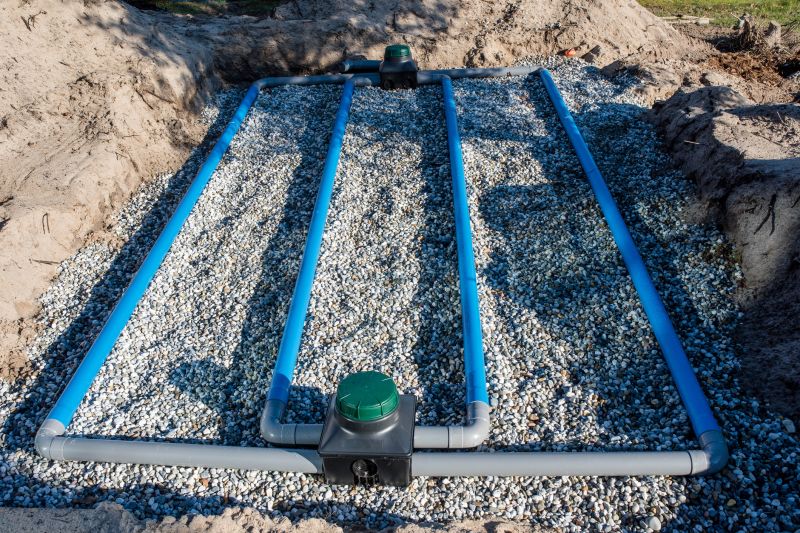
Septic Field Design And Planning
Proper planning ensures effective drainage and long-term system performance.
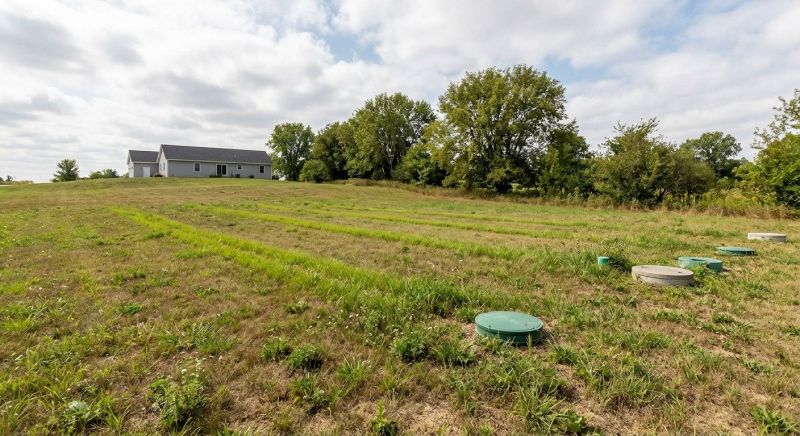
Septic System Installation Process
Installation involves selecting the right location and ensuring proper soil conditions.
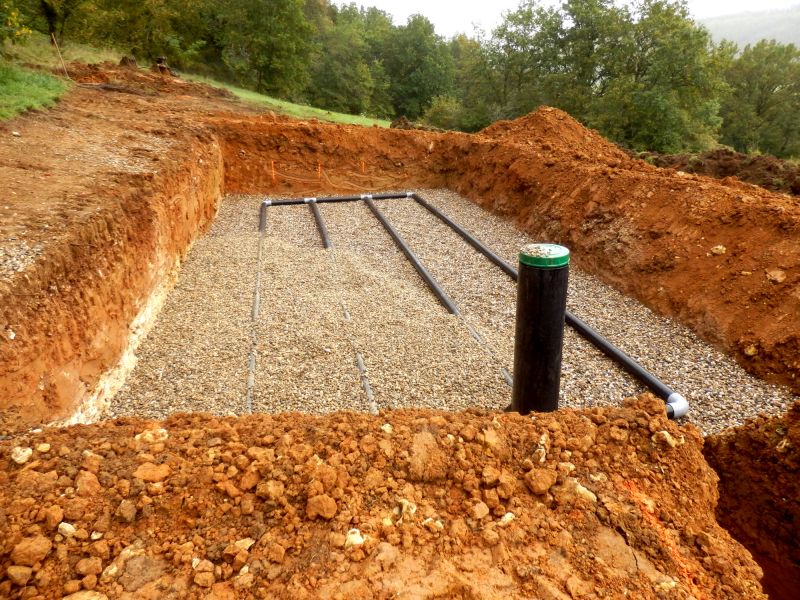
Maintenance And Inspection Services
Regular inspections help maintain system efficiency and prevent costly repairs.
Septic Field Installation in Denver, CO
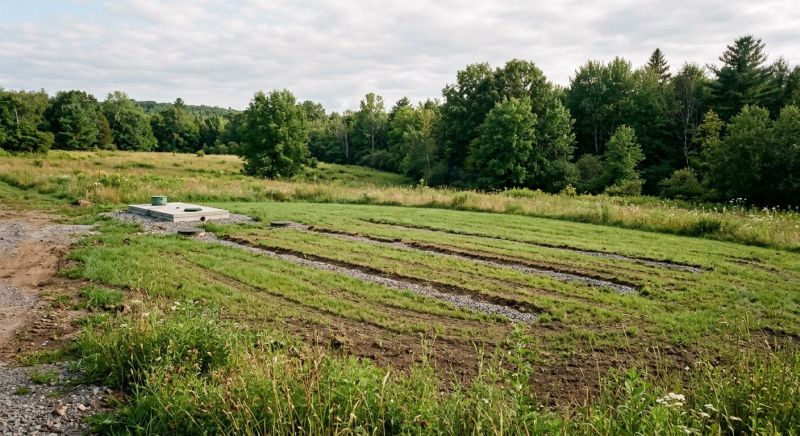
Septic field installation is a key component of on-site wastewater management for homes not connected to municipal sewer systems. This service involves setting up a septic drain field, which is a network of perforated pipes buried underground to safely distribute and treat wastewater from a property. Projects typically include new installations for new construction, replacements for aging or failing systems, or upgrades to improve efficiency and compliance with local regulations. Property owners should consider factors such as property size, soil type, and local codes when planning a septic field installation to ensure proper function and long-term performance.
Before requesting septic field installation services, homeowners often want to understand the scope of the project, including site assessment requirements and the installation process. It is important to evaluate whether the property has suitable soil conditions and adequate space for a drain field, as these factors influence the design and placement. Additionally, property owners should inquire about any necessary permits, environmental considerations, and maintenance requirements associated with the system to ensure it meets local standards and functions effectively over time.
Many property owners in Denver, CO look into Septic Field Installation for repairs, replacements, upgrades, and appearance-related improvements.
Common Septic Field Installation Jobs
Septic Field Installation - Proper installation ensures effective wastewater treatment for residential properties.
Leach Field Setup - Installing a leach field provides a reliable method for wastewater dispersal underground.
Drain Field Construction - Drain fields are designed to prevent surface pooling and groundwater contamination.
Septic System Placement - Proper site selection and installation help optimize system performance and longevity.
Soil Evaluation Services - Assessing soil conditions is essential for designing an efficient septic field.
Replacement and Repair - Upgrading or repairing existing septic fields maintains system functionality and compliance.
Septic Field Installation Questions
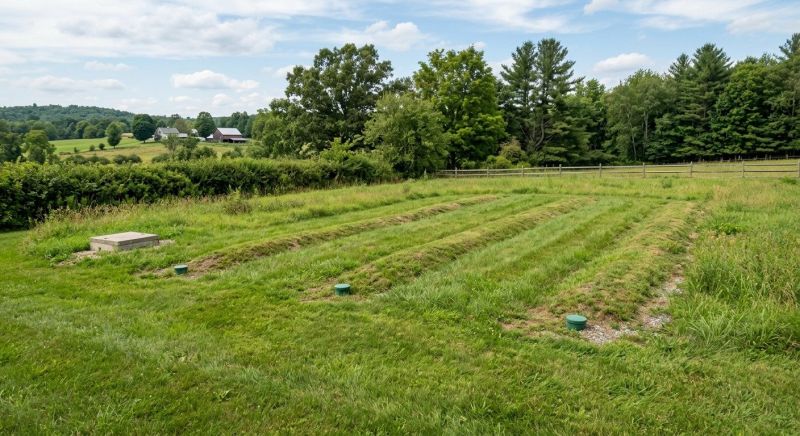
What is a septic field installation? It involves setting up a drain field that safely treats and disperses wastewater from a septic system on a property.
What types of properties need septic field installation? Properties not connected to municipal sewer systems typically require a septic drain field for wastewater management.
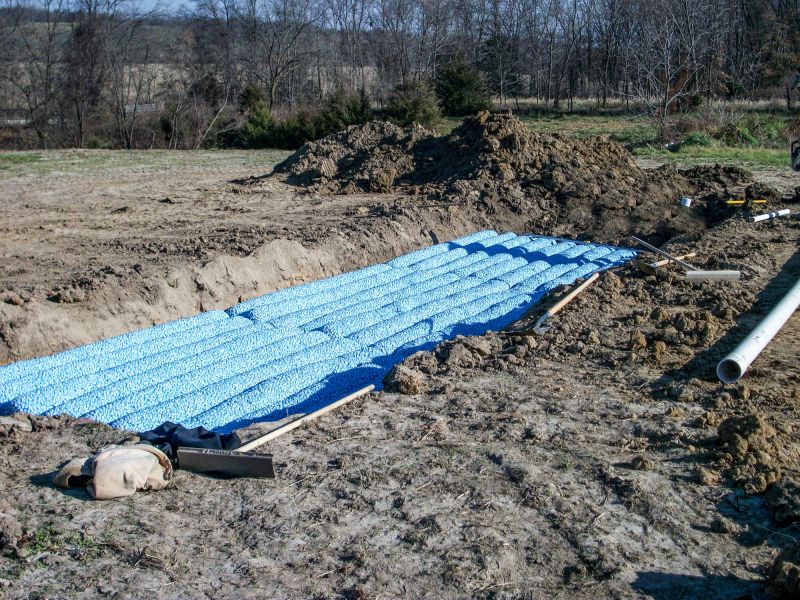
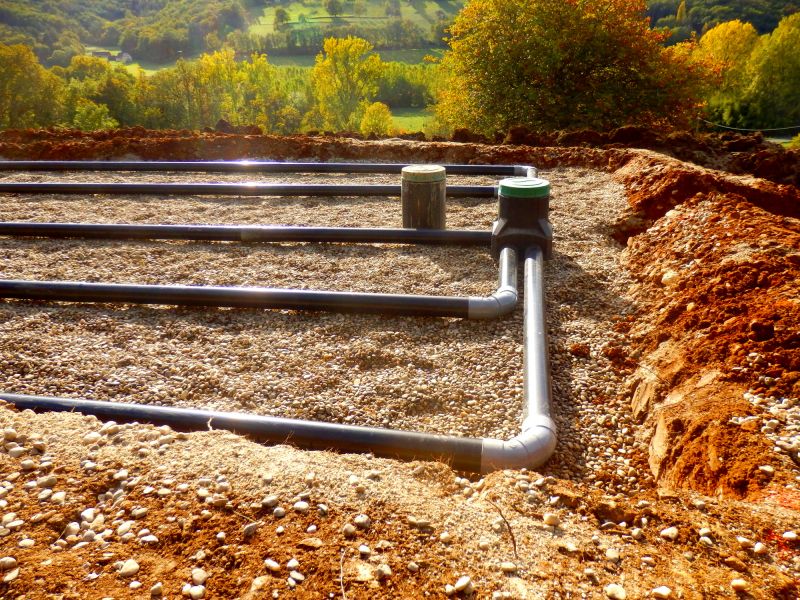
How is a septic field installed? The process includes excavating trenches, installing pipes and gravel, then covering the area to create an effective drain field.
What should property owners consider before installation? Site soil conditions, space availability, and local regulations are important factors for a proper septic drain field setup.
Request Septic Field Installation in Denver, CO
Use the quote form on this page to share the basics of your project and request more information for the type of work you need.